
Magene C606: Specs and Where It Fits
Introduction
The Magene C606 is a mid-range GPS bike computer that undercuts the Garmin and Wahoo units it competes with on features per euro. This is a specification-based overview rather than a long-term test: we have not ridden with a C606 ourselves, so what follows comes from Magene’s published specifications and documented feature set, not from personal use.

Screen and Build
The C606 uses a 2.8-inch fully laminated colour touchscreen with an anti-fingerprint coating and Asahi high-strength glass, backed up by three physical buttons, so it can be driven with gloves or in the wet without relying on the touch layer. An ambient light sensor handles automatic brightness, and firmware V1.7 added a dark-mode dashboard.
It measures 97 x 57 x 17.6 mm and weighs 105 g, carries an IPX7 water resistance rating, and is specified for -10 °C to 50 °C. Charging is over USB Type-C and takes about 3 hours 10 minutes.
Features and Functionality
Navigation and Mapping
The C606 offers turn-by-turn navigation with free global maps stored on the device, climb visualisation, and automatic re-routing if you stray more than 300 m off course. GPX import is supported for routes up to 300 km, and firmware V1.7 raised on-device route handling to rides over 1000 km. Positioning uses four GNSS constellations: GPS, BeiDou, GLONASS and Galileo.
Connectivity
Alongside Bluetooth 5.0 and ANT+, the C606 has WiFi — Magene rates WiFi transfer at up to 200 k/s for map downloads and ride uploads. It pairs with speed and cadence sensors, heart rate monitors, power meters, smart trainers and radar tail lights, and supports Shimano Di2 and SRAM eTap electronic shifting with three shifting profiles. Rides export to Strava and TrainingPeaks, and Strava segment sync runs over WiFi.
Data and Customisation
There are 5 bike profiles and 12 ride modes (2 preset, 10 customisable), each supporting up to 10 pages, drawing on 108 data items across 14 categories. On-board storage is 4 GB, and the interface ships in 12 languages.
Pros and Cons
Pros
- Touchscreen plus buttons: the 2.8-inch laminated panel is larger than most rivals at this price, and the three buttons cover wet-weather and gloved use.
- Full mapping included: free global maps and turn-by-turn navigation on the device, with no subscription.
- WiFi transfer: map and ride sync without going through the phone, which Magene rates as substantially faster than Bluetooth.
- Broad sensor support: ANT+ and Bluetooth, plus Di2/eTap shifting integration and radar tail lights.
- IPX7: rated for rain and splashes.
Cons
- 105 g: noticeably heavier than compact units such as the iGPSPORT BSC300T at 67 g, which matters if you count grams.
- Battery is mid-pack: 17-25 hours in daily mode and up to 28 in long-battery mode is solid, but short of the 40 hours a Garmin Edge 530 claims.
- Smaller ecosystem: the OnelapFit app and Magene’s platform have a smaller user base and a shorter track record than Garmin Connect or Wahoo’s app.
Comparison with Other Models
Garmin Edge 530
The Garmin Edge 530 offers advanced training features, better navigation, and a more polished app experience. However, it comes at a significantly higher price point. If you’re serious about cycling and have the budget, it’s worth considering.
Garmin Edge 540
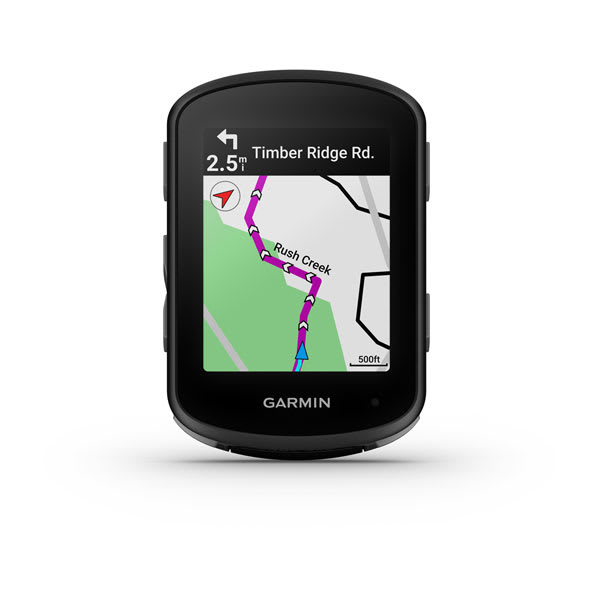
The Edge 540 adds solar charging and enhanced navigation features, making it a premium choice for serious cyclists. It’s a fantastic option if you’re willing to splurge.
iGPSPORT IGS630
The iGPSPORT IGS630 is a budget-friendly bike computer with solid features and minor flaws. It’s accurate, affordable, and gets the job done. Just be prepared for a bit of a learning curve and some minor frustrations along the way.
iGPSPORT BSC300
The BSC300 is a more affordable alternative within the iGPSPORT lineup. While it lacks some of the advanced features of the iGS630, it’s a great entry-level option for casual riders.
Where It Fits
At 155 EUR on Magene’s own store, the C606 sits above budget units like the iGPSPORT BSC300T and below a Garmin Edge 540. What you get for the difference over the cheaper end is the larger 2.8-inch laminated touchscreen, WiFi sync and a fuller mapping stack; what you give up against Garmin is battery life and the maturity of the surrounding app ecosystem.
It is worth a look if on-device mapping and a big touchscreen matter more to you than shaving grams or buying into the largest platform. If you want the longest battery in this class, or you already have history in Garmin Connect, the case is weaker.


Deja un comentario