
Prime Day bike gear: what is worth buying

Most cycling gear in a Prime Day sale is not discounted. It is repriced. The single most useful thing you can do before buying anything below is open CamelCamelCamel or Keepa, paste the listing URL, and look at where the price has actually been over the last year.
That check takes ten seconds and it is the difference between a sale and a marketing exercise. Products get marked up in the weeks before a big sales event so that the percentage cut on the day looks larger than the real discount against the historic low. This happens routinely with mid-range cycling electronics, which are the products most people are looking at during these events.
What follows is which categories are genuinely worth buying in a sale, which are not, and what the listed specs actually mean.
Smart trainers: the trainer is not the cost
Smart trainers are the headline item in every cycling sale, and the headline price is misleading in the same way every year.
A direct-drive trainer, the type where you remove the rear wheel and mount the bike on the unit, usually ships without a cassette. You either move the one off your rear wheel each time, which is a job with tools and not a thing you will keep doing, or you buy a second cassette. Then the software that makes a smart trainer worth owning at all is a subscription, and it renews every month whether you ride or not.
The Wahoo Kickr is the reference direct-drive unit and simulates gradients up to 20 per cent. Wheel-on trainers like the Tacx Flow Smart sit at 6 per cent, which sounds like a large gap and mostly is not: on a structured indoor session the resistance is set by the workout in ERG mode, and the gradient ceiling only matters if you ride simulated climbs in a virtual world.
The specification people compare, power accuracy, is the one that matters least. The difference between plus or minus 1 per cent and plus or minus 3 per cent is invisible in training unless you are chasing a specific number across years of data. Whether the unit is quiet enough for a flat with neighbours matters more, and it is not on the spec sheet.
Action cameras: buy the previous generation
Action cameras are the best sale category in cycling, because the year-on-year improvements are small and the price gap between generations is large.
The GoPro Hero 10 Black shoots 5.3K video and 23MP stills with in-body stabilisation good enough that handlebar footage is watchable. The DJI Osmo Action does 4K and 12MP and has a front-facing screen, which is the feature that actually changes how you use it, because you can frame a shot pointed at yourself without guessing.
Neither is the current model, and that is the point. A two-generation-old action camera at a real discount records better cycling footage than anything you will notice the difference from. The one thing to check before buying old stock is that the manufacturer still supports the companion app, because a camera whose app has been dropped becomes a card reader.
Shoes: the riskiest sale category
Sale stock is whatever did not sell, which means the sizes left are the ends of the range. Cycling shoe sizing varies enough between brands that buying an unfamiliar brand in a size you have inferred rather than tried is how you end up with a pair you ride twice.
The stiffness index that road shoe marketing leans on, a number from around 5 to 12 depending on brand, is not comparable across brands because each one defines its own scale. If you already know a brand fits you, a sale is a good time to replace. If you do not, it is not.
Apparel: the one category where old stock is pure upside
Bib shorts and jerseys go on sale because the colourway is last season. The chamois, the fabric and the fit are usually unchanged from the current model, and nobody on a ride can tell which year your bibs are from.
This is the category to spend a sale budget on. Good bibs are the single largest comfort upgrade available to a rider who already has a bike that fits, and they are expensive enough at full price that the discount is worth waiting for. The winter cycling clothing guide goes through what is worth paying for in each layer.
Lights: ignore the headline runtime
Every bike light quotes two numbers, a lumen figure and a runtime, and they do not describe the same mode. The lumen figure is the maximum burst output. The runtime figure is almost always the lowest flash mode.
The number to find is runtime at a steady beam bright enough for where you actually ride, which for unlit roads or trails means somewhere near the top of the range, and which is usually buried further down the spec table. A light quoting 1,100 or 1,200 lumens will run for a fraction of its advertised hours at that output.
Features that do change the decision: a daylight-visible flash mode, which is the one genuinely useful safety addition of the last decade, and a readout that tells you remaining runtime in the current mode rather than a battery bar. The NiteRider Lumina OLED line puts that on a small screen on the light body, which sounds trivial and is not when you are deciding whether to take the long way home.
What not to buy in a sale
Anything sized to your body that you have not tried. Anything whose value comes from a subscription you are not already paying. Anything from a brand whose app is the only way to get data off it, unless you have checked that the app still exists. And anything you were not already planning to buy, which is the category that all of these events are actually designed around.
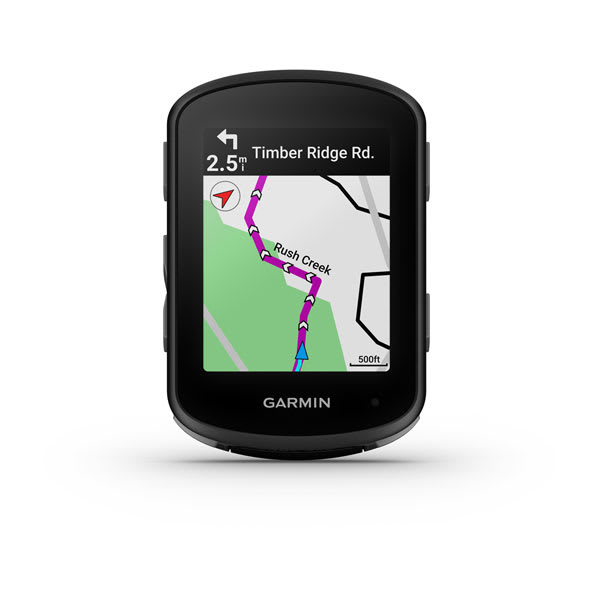
For a wider sweep of what is worth watching across the year, the Black Friday cycling deals guide covers the other big sales event, and the Garmin Edge 530 write-up goes into what to check on a discounted bike computer specifically.


Deja un comentario